
House No. E261/17, Kotobabi, Abavana Street, Opposite College of Culinary Services. Accra GA-022-2211
Promoting food security and agricultural governance in Ghana
12-07-2020
Ghana
OXFAM
6 Months
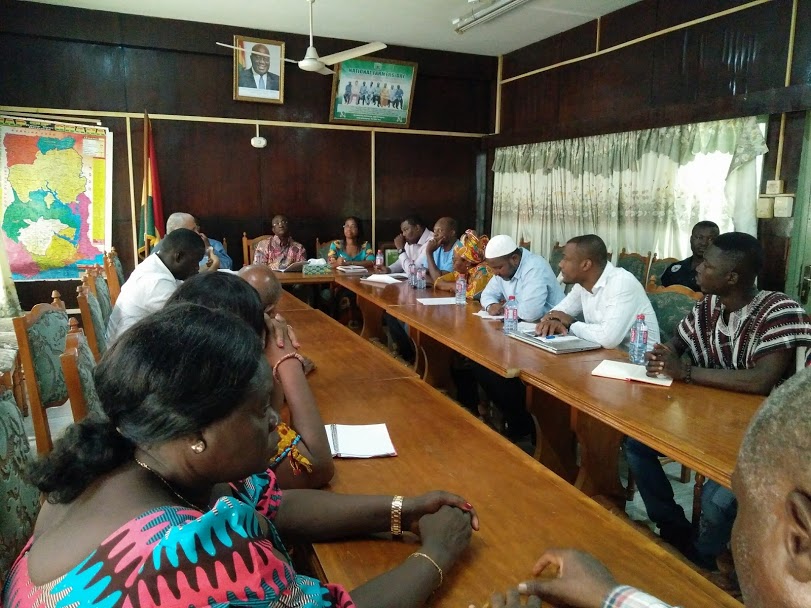
Agricultural Governance is a core pillar of PFAG’s work aimed at promoting inclusive, accountable, and farmer-centered agricultural policies and investments in Ghana. Through advocacy, policy engagement, research, stakeholder dialogue, and strategic partnerships, PFAG works to ensure that the voices of smallholder farmers influence decisions that affect food security, climate resilience, irrigation development, input accessibility, and agricultural transformation.
With support from partners such as OXFAM and the International Budget Partnership (IBP), PFAG has implemented initiatives that strengthen agricultural governance, improve access to subsidized inputs, promote climate justice, monitor government flagship programmes, and advocate for increased investments in irrigation and agricultural infrastructure. These interventions have contributed to policy reforms, enhanced stakeholder collaboration, and improved opportunities for smallholder farmers across Ghana.
To contribute to improvement in irrigation development and transportation of food and agro-inputs in Ghana
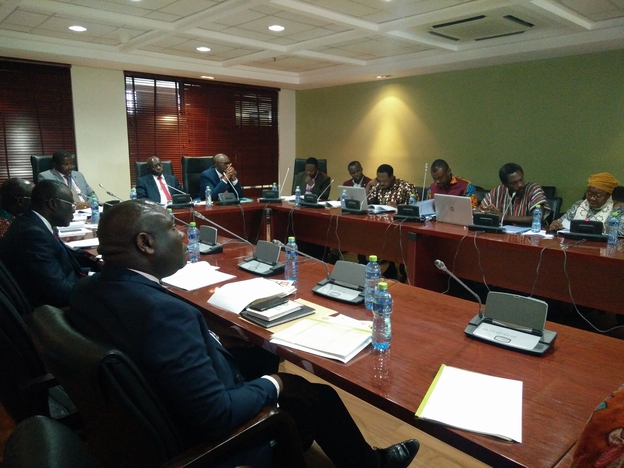
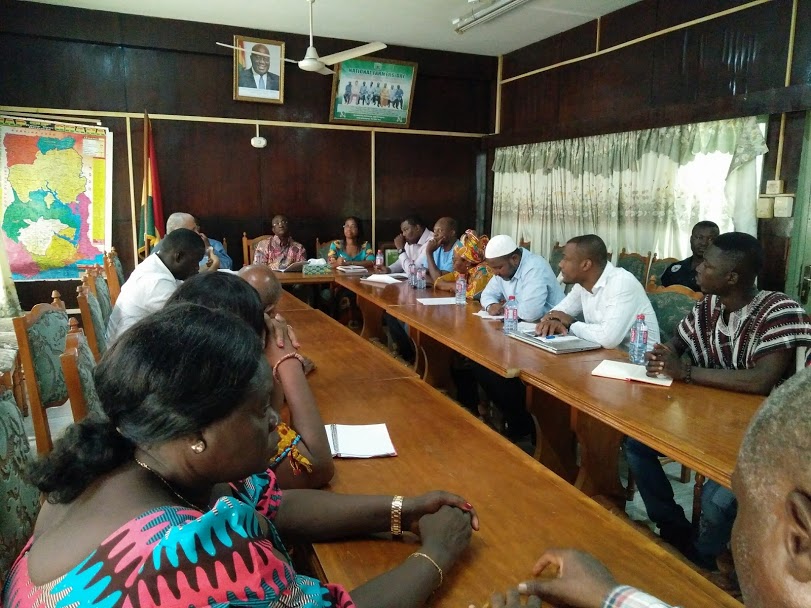
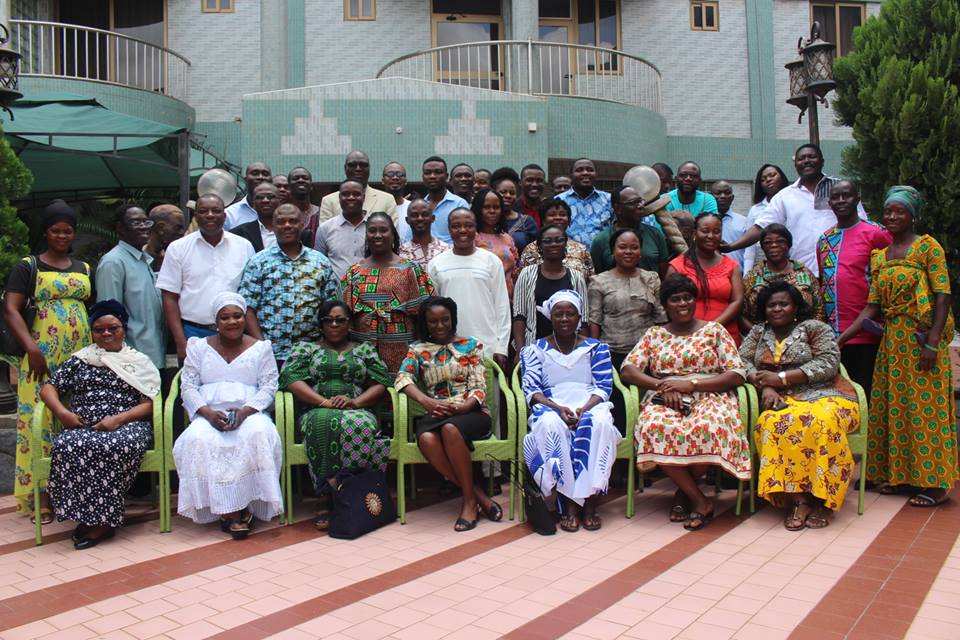
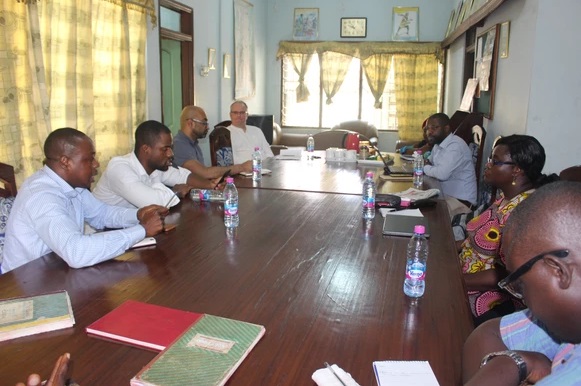
Under the OXFAM Just Economy Program, PFAG undertook the following activities to alleviate the plight of the small holder farmer. These were
The major outcomes harvested within the year are as follows
Find answers to common questions about our services in our FAQ section. From project timelines to costs, we cover everything you need to know about our garden landscaping process.
The projects aim to improve food security in Ghana by strengthening agricultural systems and supporting smallholder farmers through better policies, access to resources, and sustainable farming practices.
The main beneficiaries are smallholder farmers across Ghana, especially those in rural communities who depend on agriculture for their livelihoods.
The projects focus on improving agricultural policies, increasing access to quality inputs such as seeds and fertilizers, and promoting accountability and investment in the agricultural sector.
The projects have led to improved government policies, increased public investment in agriculture, and better access to inputs for farmers, resulting in stronger agricultural productivity and livelihoods.
The Peasant Farmers Association of Ghana (PFAG), is the apex Farmer-Based Non-Governmental Organization in Ghana with the mandate to advocate for pro poor agriculture and trade policies and other issues that affects the livelihoods of small holder farmers.
House No. E261/17, Kotobabi, Abavana Street, Opposite College of Culinary Services. Accra GA-022-2211
© Peasant Farmers Association 2026. All Rights Reserved.