
House No. E261/17, Kotobabi, Abavana Street, Opposite College of Culinary Services. Accra GA-022-2211

Agroecology And Circular Economy For Ecosystem Services in Sub Saharan Africa (ACE4ES)
12-07-2020
Ghana
United Nations Environment Program
6 Months
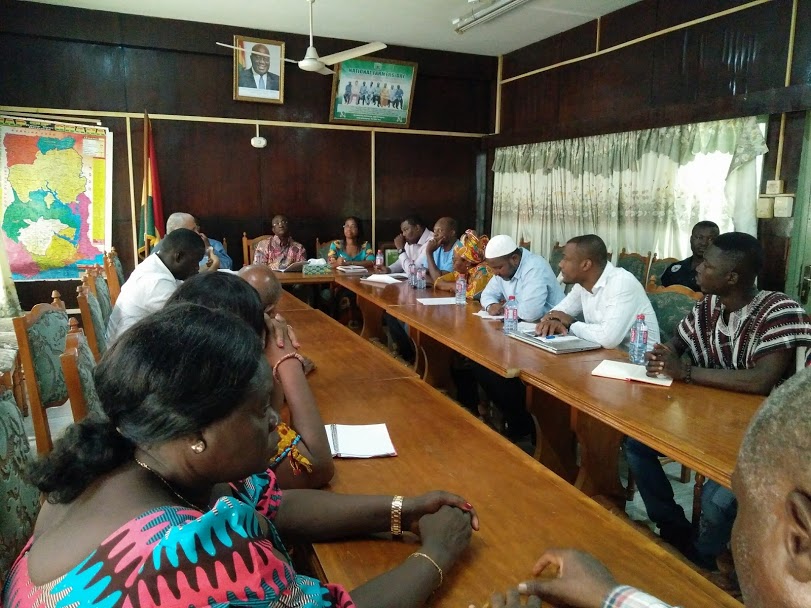
Supported by the United Nations Environment Programme (UNEP), the Agroecology and Circular Economy for Ecosystem Services in Sub-Saharan Africa (ACE4ES) Project sought to promote sustainable agricultural practices that reduce environmental pollution and enhance climate resilience. Implemented through a consortium led by the CSIR–Soil Research Institute, the project focused on advancing agroecology and circular economy principles in maize and rice production to reduce black carbon and methane emissions. Through farmer sensitization, policy dialogue, stakeholder engagement, and the establishment of a Multicultural Technology Park, the initiative strengthened knowledge sharing, governance, and advocacy for sustainable food systems and climate-smart agriculture in Ghana.
To generate multicultural technologies suitable for the operationalization of agroecology and circular economy principles to reduce black carbon and methane emissions in maize and rice production.
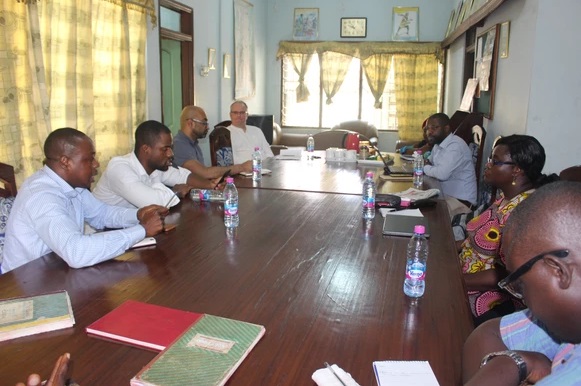
The project, implemented with a consortium of partners, led by the Soil Research Institute of Council for Scientific and Industrial Research (CSIR) aimed at establishing a multicultural technology park for agroecology and circular economy with validated tools for scale up initiatives within the framework of building capacities, strengthening governance, policy advocacy and media engagement. The main activities carried out include:
Key outcomes include
Find answers to common questions about our projects in our FAQ section.
The ACE4ES Project promotes agroecology and circular economy practices to improve sustainable agricultural production while reducing greenhouse gas emissions from maize and rice farming.
The project provides training and sensitization on agroecology and circular economy principles, helping farmers adopt environmentally friendly practices that improve productivity and resilience.
The Multicultural Technology Park serves as a demonstration and learning platform where farmers, extension officers, policymakers, and other stakeholders can explore and promote innovative agroecological technologies and practices.
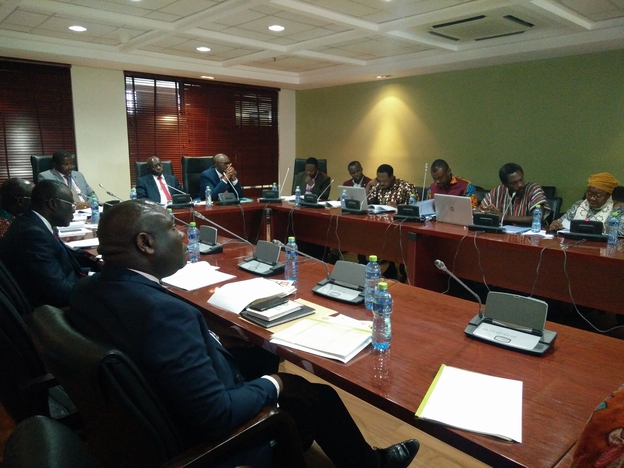
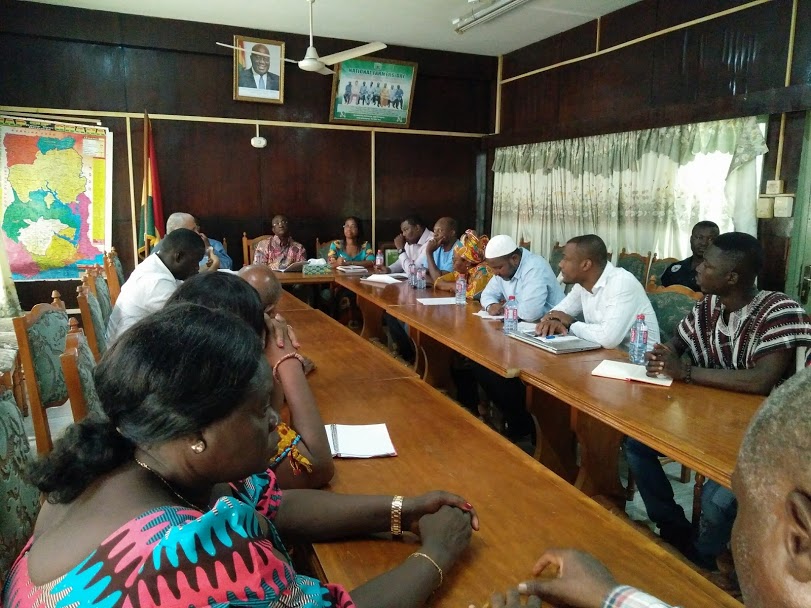
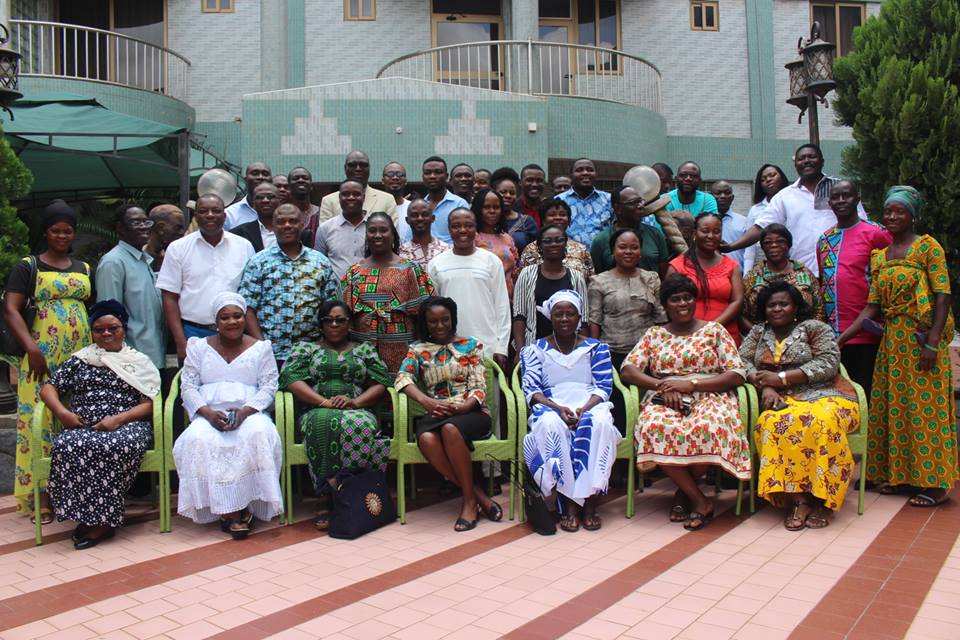
The project has sensitized over 1,000 maize and rice farmers, engaged more than 280 stakeholders in policy discussions on climate-smart agriculture, and strengthened collaboration among government institutions, development partners, and farming communities to promote sustainable agricultural development.
The Peasant Farmers Association of Ghana (PFAG), is the apex Farmer-Based Non-Governmental Organization in Ghana with the mandate to advocate for pro poor agriculture and trade policies and other issues that affects the livelihoods of small holder farmers.
House No. E261/17, Kotobabi, Abavana Street, Opposite College of Culinary Services. Accra GA-022-2211
© Peasant Farmers Association 2026. All Rights Reserved.