
House No. E261/17, Kotobabi, Abavana Street, Opposite College of Culinary Services. Accra GA-022-2211

Efficient Fertilizer Subsidy Programme for Enhanced Food Production by Smallholder Farmers in Ghana
12-07-2020
Ghana
International Budget Partnership (BP)
6 Months
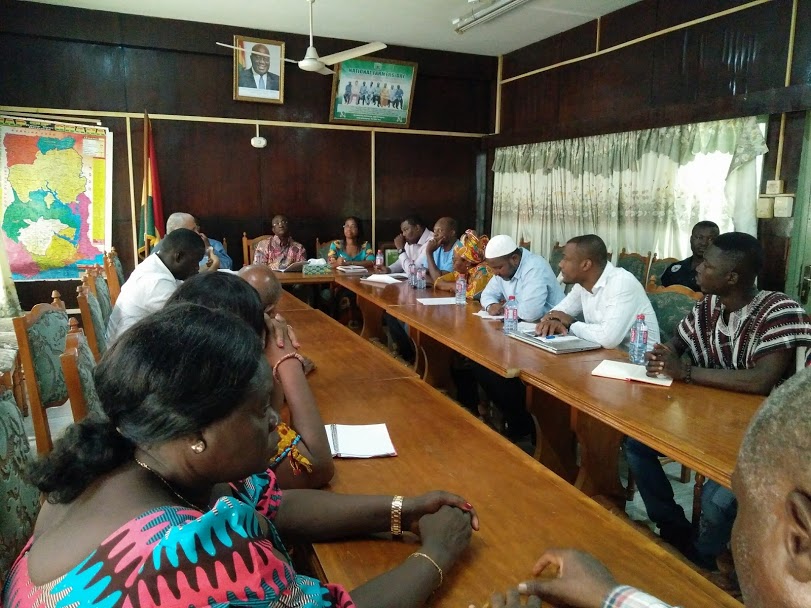
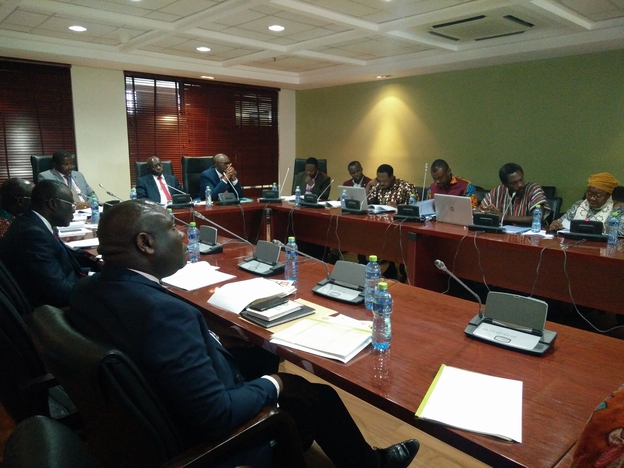
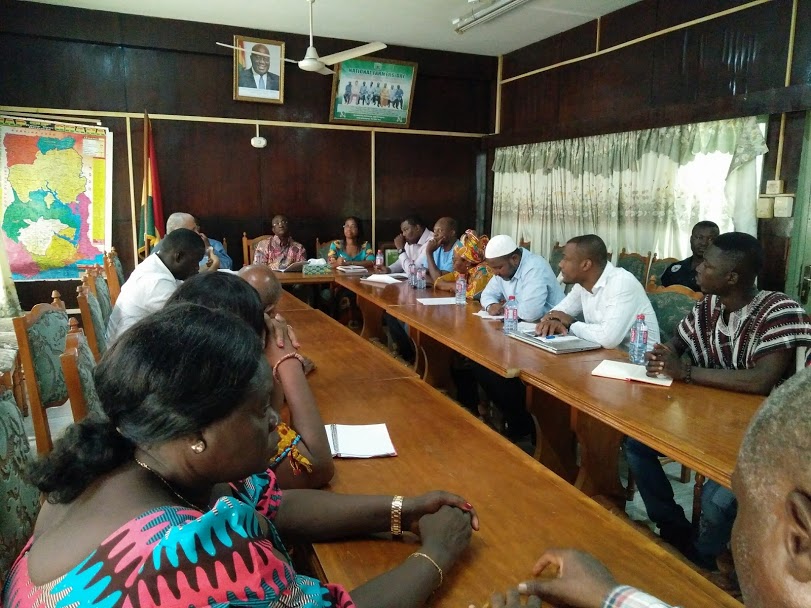
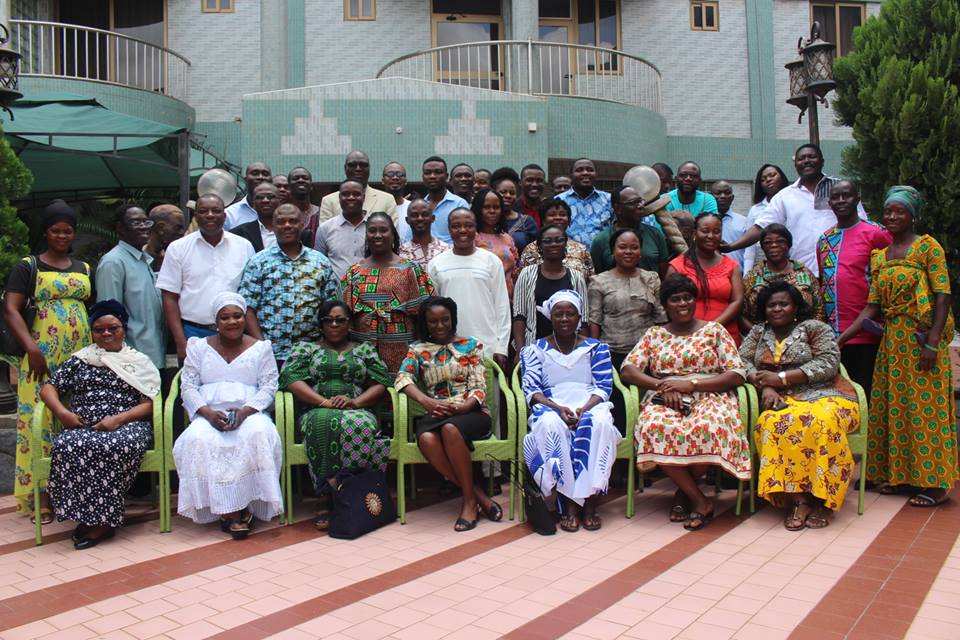
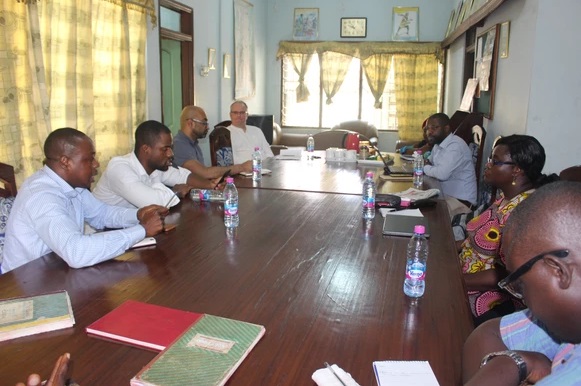
The Efficient Fertilizer Subsidy Programme was implemented by PFAG with support from the International Budget Partnership (IBP) to advocate for the timely delivery and equitable access to subsidized fertilizer for smallholder farmers in Ghana. The project focused on strengthening policy engagement, promoting transparency and accountability in fertilizer distribution, and enhancing access for women, youth, persons with disabilities, and other marginalized groups. Through stakeholder consultations, farmer sensitization, capacity building, and policy advocacy, the initiative contributed to improving the effectiveness of Ghana’s fertilizer subsidy programme and supporting increased agricultural productivity and food security.
Advocate for timely delivery and enhanced access to subsidized fertilizer by smallholder farmers.
PFAG carried out several activities to promote access to subsidized fertilizer for small holder farmers especially women, youth, persons with disability and other marginalized groups. Key among them include
The major outcomes harvested within the year are as follows
Find answers to common questions about our projects in our FAQ section.
The projects aim to improve food security in Ghana by strengthening agricultural systems and supporting smallholder farmers through better policies, access to resources, and sustainable farming practices.
The main beneficiaries are smallholder farmers across Ghana, especially those in rural communities who depend on agriculture for their livelihoods.
The projects focus on improving agricultural policies, increasing access to quality inputs such as seeds and fertilizers, and promoting accountability and investment in the agricultural sector.
The projects have led to improved government policies, increased public investment in agriculture, and better access to inputs for farmers, resulting in stronger agricultural productivity and livelihoods.
The Peasant Farmers Association of Ghana (PFAG), is the apex Farmer-Based Non-Governmental Organization in Ghana with the mandate to advocate for pro poor agriculture and trade policies and other issues that affects the livelihoods of small holder farmers.
House No. E261/17, Kotobabi, Abavana Street, Opposite College of Culinary Services. Accra GA-022-2211
© Peasant Farmers Association 2026. All Rights Reserved.