
House No. E261/17, Kotobabi, Abavana Street, Opposite College of Culinary Services. Accra GA-022-2211

Forest and Farm Facility Project
12-07-2020
Ghana
Food and Agriculture Organization (FAO)
6 Months
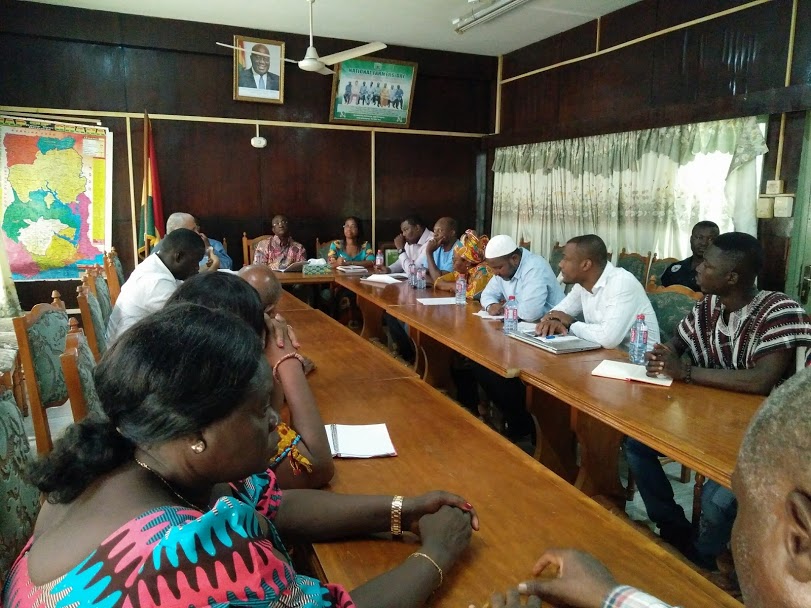
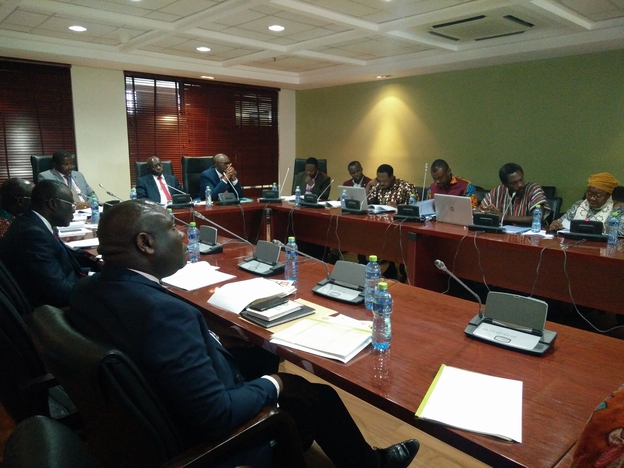
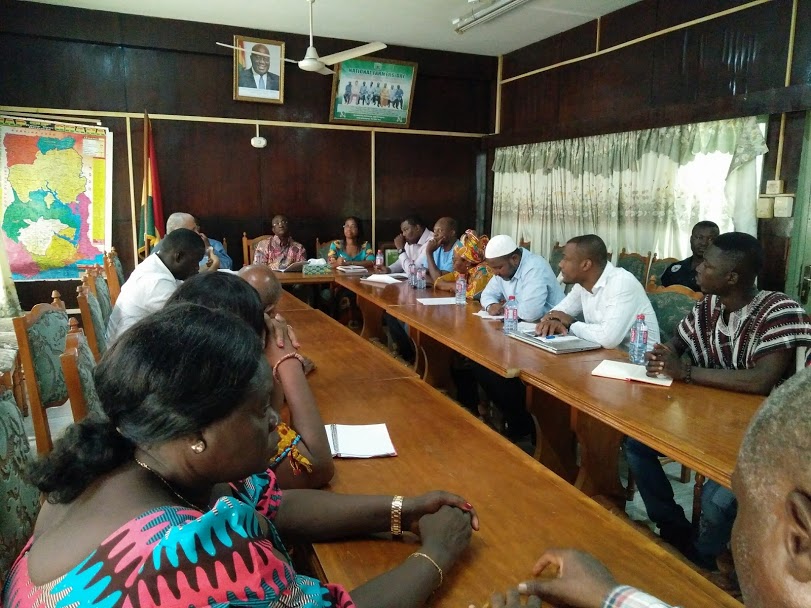
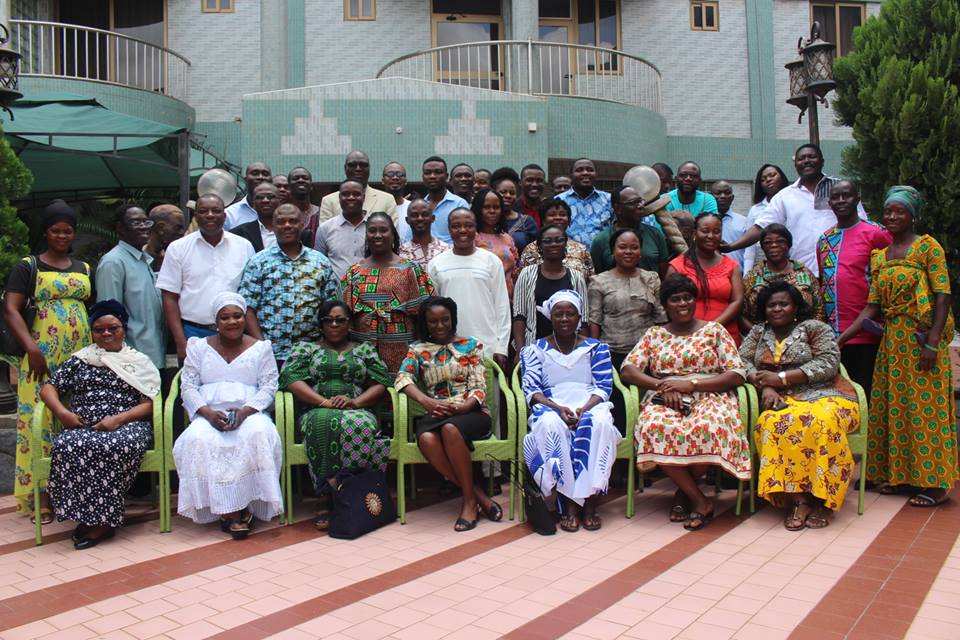
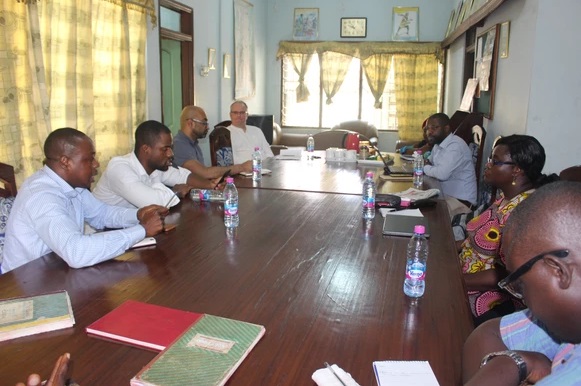
Supported by the Food and Agriculture Organization (FAO), the Forest and Farm Facility (FFF) Project aimed to strengthen the capacity of PFAG and producer organizations to engage in effective advocacy, business development, and climate change mitigation initiatives. As the lead organization for the Ghana Federation of Forest and Farm Producers (GhaFFaP), PFAG implemented activities focused on landscape restoration, sustainable natural resource management, social protection, and climate resilience. Through capacity building, community engagement, and the promotion of sustainable livelihood practices, the project contributed to enhancing environmental sustainability, strengthening farmer organizations, and improving the resilience and livelihoods of forest and farm producers across Ghana.
To strengthen the capacity of PFAG to engage in effective advocacy and business development for the benefit of its members and other producer organizations. As well as mitigate the effect of climate change through various activities
The FFF project focused primarily on building the capacities of smallholder farmers on landscape restoration models. PFAG was also the lead organisation for the Ghana federation of Forest and Farm Producers (GhaFFaP). The main activities carried out include:
Key outcomes include
Find answers to common questions about our projects in our FAQ section.
The Forest and Farm Facility Project is an initiative that strengthens the capacity of farmer organizations and smallholder producers to promote sustainable livelihoods, climate resilience, environmental conservation, and effective advocacy.
The project promotes landscape restoration, bushfire prevention, sustainable natural resource management, and environmentally friendly livelihood practices such as sustainable charcoal production.
The project benefits smallholder farmers, producer organizations, members of the Ghana Federation of Forest and Farm Producers (GhaFFaP), and rural communities engaged in sustainable land and forest management.
The project has strengthened community bushfire management systems, improved farmers' access to social protection programmes, enhanced the capacity of farmer leaders in landscape restoration and climate resilience, and promoted sustainable livelihood opportunities that support both environmental conservation and income generation.
The Peasant Farmers Association of Ghana (PFAG), is the apex Farmer-Based Non-Governmental Organization in Ghana with the mandate to advocate for pro poor agriculture and trade policies and other issues that affects the livelihoods of small holder farmers.
House No. E261/17, Kotobabi, Abavana Street, Opposite College of Culinary Services. Accra GA-022-2211
© Peasant Farmers Association 2026. All Rights Reserved.