Project Name
Voice for Change Project with SNV
Start Date
12-07-2024
Location
Ghana
Donor
-
Project Duration
6 Months
Share Projects

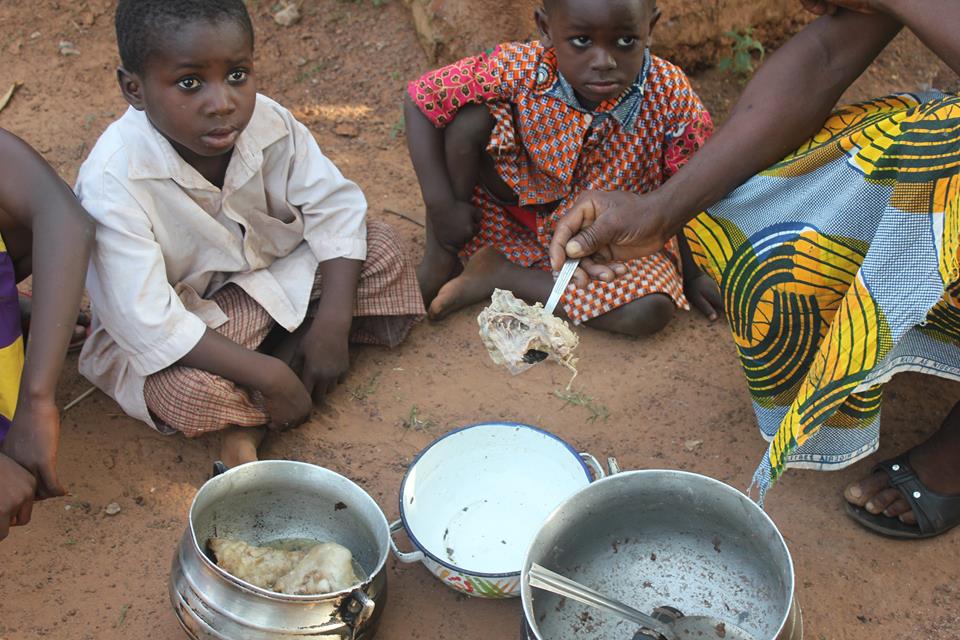
The Voice for Change Partnership (V4CP) Project, implemented with support from SNV, sought to strengthen food and nutrition security through evidence-based advocacy and stakeholder engagement. Under the project, PFAG focused on promoting sustainable nutrition for all and reducing post-harvest losses, while emphasizing private sector participation, gender and social inclusion, and climate resilience. Through collaboration with government institutions, local authorities, and development partners, the project contributed to creating an enabling environment for improved nutrition outcomes and effective post-harvest loss management in Ghana.
Project Objectives
The SNV Voice for Change Partnership project (V4CP) is a multi-country and multi sector project focusing on evidence-based advocacy to improve enabling environment in the four thematic areas. Within these areas under the V4CP, Peasant Farmers Association of Ghana (PFAG) is working on Food and Nutrition security theme focusing on Sustainable Nutrition for All and Post-harvest loss management, with close attention to private sector participation, gender and social inclusion as well as climate change.
Major Achievement
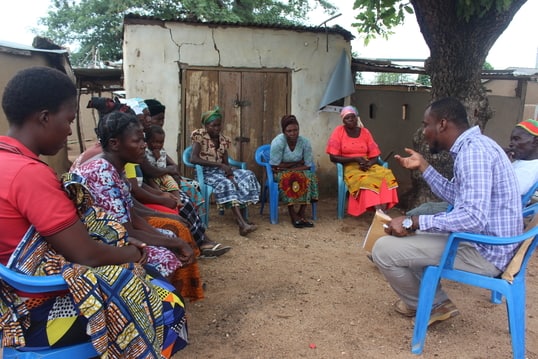
- Increased engagement with MMDAs and private sector on PHL issues
- Inclusion of PFAG into the post-harvest technical working group set up by the Agricultural Engineering Services Department of the Ministry of Food and Agriculture
- Facilitation of other stakeholders group for engagement on the National Nutrition implementation plan
Frequently asked questions
Find answers to common questions about our project in our FAQ section
To reduce hunger, food insecurity, and malnutrition, especially among vulnerable groups like children.
Children under five years and their caregivers in selected communities.
Through nutrition education, improved feeding practices, and access to nutritious foods.
It led to a 50% reduction in malnutrition among children under five in 12 communities.
The project is funded by SNV.